
Kabocha squash (also known as Japanese pumpkin) may look intimidating, but it's one of the sweetest, creamiest winter squashes around. This kabocha squash how-to guide will show you how to pick, peel, cut, and cook it like a pro.

Once you get past its tough skin, kabocha squash (pronounced kah-BOH-chah) is pure magic! Its naturally sweet, nutty flavor and velvety orange flesh make it perfect for roasting, mashing, soups, stews, and cozy fall dishes. Whether you're new to kabocha squash or looking to master this winter favorite, this handy how-to guide will walk you through every step from picking and peeling to cooking and storing.
Jump to:
What is Kabocha Squash?
Kabocha (meaning "pumpkin" in Japanese) is a winter squash with firm skin—sometimes dark green, sometimes a reddish-orange variety called red or sunshine kabocha squash—and bright orange flesh. Slightly sweeter than sugar pumpkin or butternut squash, it becomes tender and creamy when cooked.
A staple in Japanese cuisine, kabocha is often simmered in soups, stews, and nimono (simmered dishes), roasted, or tempura-fried, highlighting its naturally sweet flavor and creamy texture. It's also perfect for roasting, mashing, or adding to soups, chilis, and fall vegetable medleys, making it a versatile ingredient for seasonal meals.
Japanese pumpkin is rich in fiber and potassium and relatively low in carbs and FODMAPs, making it a fitting option for a variety of diets.

Where to Buy and How to Pick
Look for kabocha squash in grocery stores alongside other winter squashes like butternut or acorn, or at farmers' markets and local produce stands—especially in fall and winter. Not every store carries it, so if you don't spot one right away, don't give up!
When choosing kabocha squash, look for:
- One that feels heavy for its size, which usually means it's dense and ripe.
- Smooth, unblemished skin with a dull, matte rind and no soft spots or mold. Some varieties have dark green skin, while others may be reddish-orange in color. I usually go for the green variety, which tends to have a richer, sweeter flavor than the red.

How to Cut, Peel and Prep
Time needed: 15 minutes
Cutting and peeling a kabocha squash may seem tricky with its tough exterior, but trust me—it's worth it. Here’s how to make the process easier and safer:
- Soften the Skin
Wash and microwave the whole squash for 2–5 minutes (depending on its size) to soften the tough outer skin and make it easier to cut. It'll start to cook slightly, but that's totally fine.
- Slice Carefully
As the squash will be hot having just been in the microwave, hold one side with a towel, then use a sharp chef's knife to cut along one side next to the stem until you get roughly two halves. If your squash is still too tough to slice into, pop it in the microwave for another minute.

- Scoop the Seeds
Use a dinner spoon to scoop out the seeds and stringy center. Rinse and save the seeds if you're feeling extra domestic and would like to roast them later—just like sugar pumpkin seeds.
- Cut into Wedges
Slice each half into wedges about ½ to 1 inch wide, depending on what your recipe calls for. Wedges around 1 inch wide are easiest to peel and handle and are the ideal size for making roasted kabocha squash.
- Peel the Skin (Optional)
The skin of kabocha squash is edible once cooked, but most recipes work best with it peeled. Lay each wedge flat on a cutting board and use a sharp chef's knife to trim away the rind—it's usually too thick and tough for a vegetable peeler. If it makes sense for your recipe, you can also skip this step and simply remove the skin after cooking, as it easily separates from the flesh once softened.
- Chop into Cubes (Optional)
If your recipe calls for cubes, chop each wedge into smaller pieces. Cubes are also great for freezing and easy to portion later on.
- Cook or Freeze
Add the squash to your favorite recipes or freeze it for later use.


Once you've cut and peeled your kabocha squash, it's ready for cooking, roasting, or freezing for later.
How to Cook
Kabocha squash is extremely versatile and can be cooked in many ways:
- Roasted: Roast for a naturally sweet, tender side, like in this Roasted Kabocha Squash recipe.
- Mashed: Steam or boil, then mash for a creamy side dish, as in this Mashed Kabocha Squash recipe.
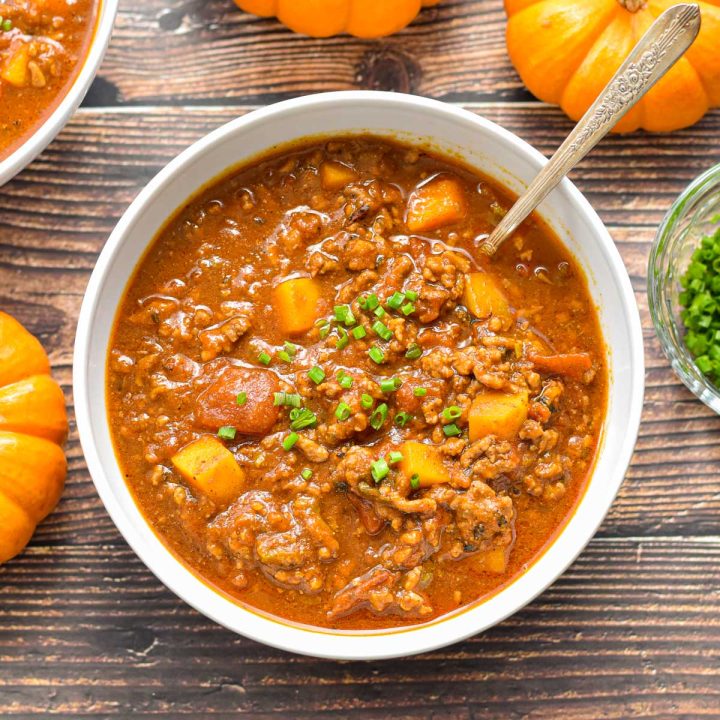
- In soups or stews: Add cubes to soups, curries, or chili—try Double Pumpkin Chili.
- Savory dishes: Pair with stir fries or meat and vegetable medleys—check out Sausage and Fall Veggies.
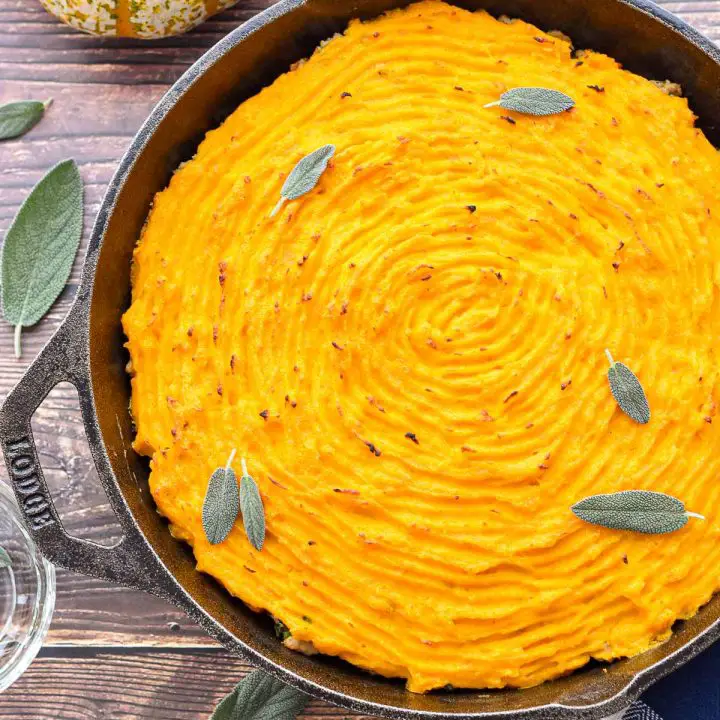
- Casseroles or pies: Use roasted or mashed squash in layered dishes—try Shepherd's Pie with Turkey and Squash.
How to Store and Freeze
- Whole squash: Store in a cool, dry place for up to one month.
- Cut or peeled squash: Refrigerate in bags or airtight containers for 3–4 days or freeze for up to 6 months (see freezing tips below).
- Cooked squash: Refrigerate in an airtight container for 4 days or freeze up to 6 months.
Freezing Tips
If your squash was ginormous and you have more raw kabocha squash than you need, freezing it is a great way to save time later. Chop the squash into cubes and freeze them for easy use in future recipes—no thawing needed!
- Spread cubes in a single layer on a parchment-lined baking sheet.
- Freeze overnight until solid.
- Transfer the frozen cubes to freezer bags or airtight containers, pressing out as much air as possible before sealing.
Frozen kabocha squash will keep for up to six months and can be roasted, mashed, or added straight to soups and stews.

Frequently Asked Questions
Kabocha squash has a naturally sweet, nutty flavor and a creamy, velvety texture when cooked. I find it similar in sweetness to a sweet potato and similar in texture to an acorn squash, making it ideal for both sweet and savory applications.
Kabocha squash is slightly sweeter and denser than buttercup or acorn squash. While acorn squash has a mild, nutty flavor and buttercup squash is a bit sweeter, kabocha's texture is similar to acorn squash, and its sweetness is closer to sweet potato. Its creamy, almost velvety flesh makes it perfect for mashing, roasting, or adding to soups, while acorn and buttercup tend to be a bit firmer and less sweet, making them better suited for stuffed squash dishes or lighter roasting.
Yes! The skin is technically edible once cooked, though it's quite firm. Most recipes call for peeling it to make cooking easier and to achieve a smoother texture in dishes like mashed kabocha squash or pumpkin chili. When roasting kabocha squash, I sometimes leave the skin on for ease and a bit of texture—it softens in the oven, and diners can choose to eat it or simply scoop the flesh off as it naturally separates. It has very little flavor.
Absolutely! The seeds can be scooped out, rinsed, and roasted just like sugar pumpkin seeds for a crunchy, healthy snack or festive garnish.
Kabocha squash is lower in carbs than sugar pumpkin, but it still contains natural sugars. It can fit into a low carb diet in moderation, though portion size matters if you're following strict Keto.
Related Recipes


Disclaimer: This recipe is for informational purposes only and is not intended as medical or dietary advice. The author is not a medical professional. Nutrition info is an estimate and can vary depending on ingredients and preparation. We follow current guidelines for special diets like low FODMAP, Keto, and Paleo at the time of initial publication, but individual tolerance varies and research is always evolving. It’s up to each reader to check ingredient labels, stay informed with the latest research, and consult their doctor to make informed choices based on their individual needs. Storage times are general recommendations—always follow safe food handling practices. See our Terms of Use for more details.

Tried it? Share a star rating and a few details about your experience—I'll personally donate $2 to cancer research! Learn More