
Roasted kabocha squash brings out everything to love about fall—sweet, nutty flavor, crisp edges, and a caramelized finish that's hard to resist. Whether you roast it in the oven or air fryer, this side dish is ready in 30 to 40 minutes (about the time it takes to wonder why you don't make it more often).

Also known as Japanese pumpkin, kabocha squash has silky orange flesh that turns beautifully golden as it roasts. A drizzle of olive oil, a hint of orange zest, and a sprinkle of warm spice add brightness and depth without overpowering its natural sweetness. It's colorful enough for a holiday spread—but simple enough to pull off on a Tuesday when you're feeling tired of potatoes.
Sweet enough on its own without added sweeteners, this roasted kabocha squash is vegan, low carb, Whole30, sugar-free, and gluten-free.
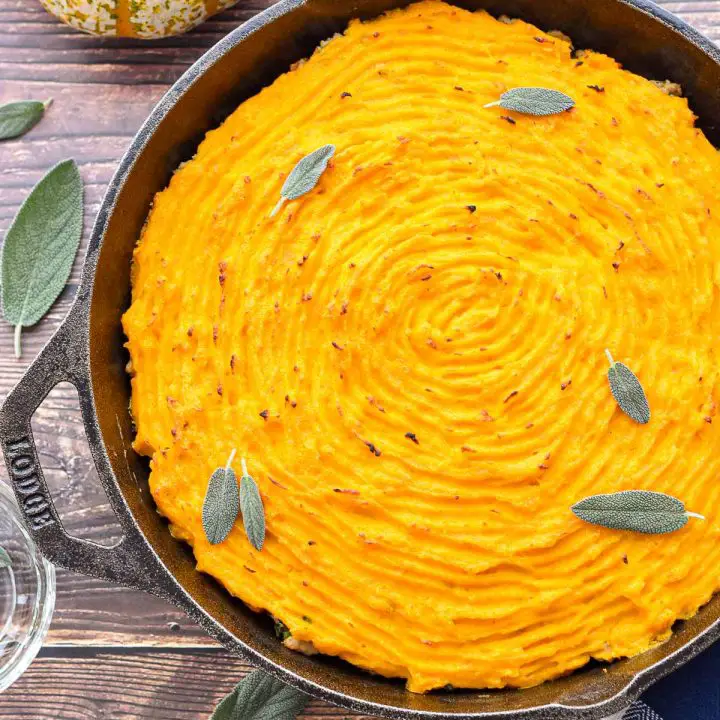
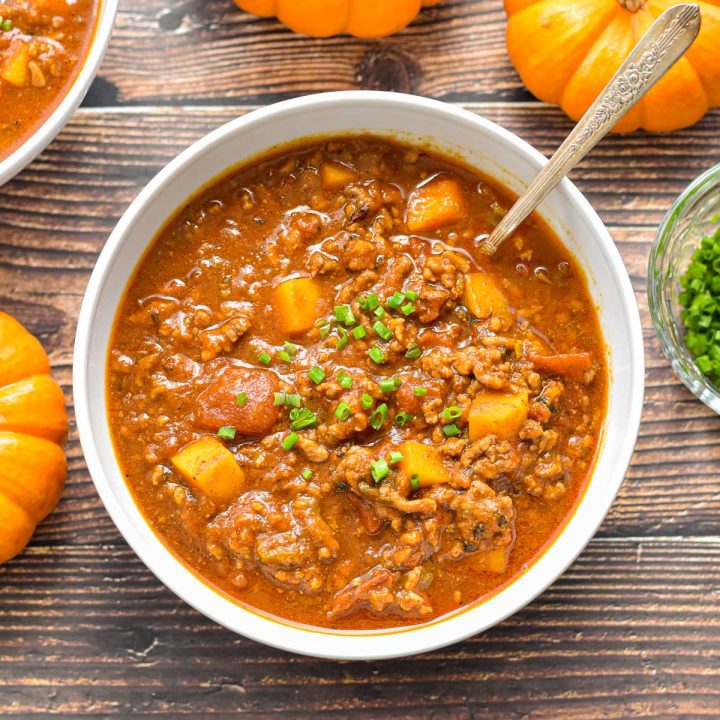
New to kabocha? My Kabocha Squash How-To Guide walks you through how to choose, cut, and prep it—plus shares more delicious ways to use it, like mashed kabocha squash, pumpkin chili, sausage and fall vegetables, or even shepherd's pie with turkey and squash topping.
Jump to:
Why You'll Love this Roasted Kabocha Squash Recipe
Kabocha squash is one of my go-to fall side dishes. It's naturally sweet, lower in carbs than most winter squashes, and works wonderfully in both sweet and savory dishes. Nothing says fall like the smell of roasted kabocha—especially when it turns tender and golden with that hint of citrus and spice.
Here's Why You'll Love It:
- Full of fall flavor – Orange, pumpkin pie spice, and natural sweetness make this squash taste like autumn in every bite (without crossing into “pumpkin spice latte” territory).
- Quick and versatile – Ready in under 40 minutes (under 30 when air fried) and easy to make in the oven or air fryer.
- Holiday-worthy, weeknight easy – Elegant enough for Thanksgiving or Christmas, yet simple enough for a Tuesday night.
- Perfect texture – Crisp edges, tender centers, and that caramelized finish that makes you look like you tried harder than you did.
- Diet-friendly without trying – Naturally vegan, low carb, Whole30, sugar-free, and gluten-free—no sugar and no weird additives.

Ingredients
These simple ingredients bring out the best in kabocha squash when roasted:

- Kabocha squash – I use green kabocha, also known as Japanese pumpkin. To learn where to buy it and how to chop it safely, see my Kabocha Squash How-To Guide. The skin becomes tender when roasted, so I usually leave it on—it slides off easily afterward if you prefer it peeled.
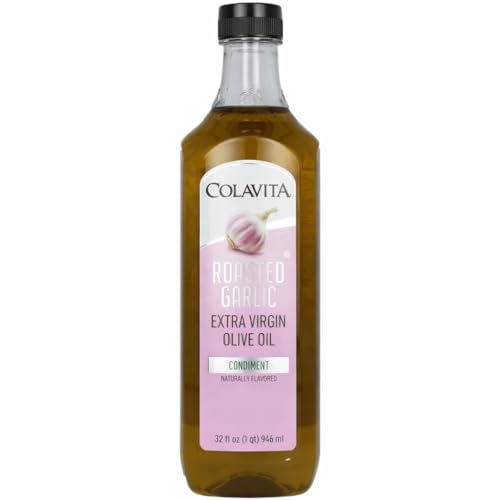
- Oil and aromatics – Extra virgin olive oil plus a touch of garlic powder (or garlic-infused olive oil) adds savory depth, helps the squash caramelize, and keeps it from drying out.
- Orange – Fresh zest and juice from a navel orange brighten the flavor and complement the squash's natural sweetness.
- Seasonings – Fennel seeds add subtle texture and depth but are optional. Fine sea salt, black pepper, and a touch of pumpkin pie spice round out the flavor. I make my own pumpkin pie spice mix because it's easy and economical. Store-bought works just as well though if you're not in the mood to play spice rack Tetris. Just check the labels for additives if sensitive or doing a Whole30.
- Sweetener (optional, not pictured) – Kabocha is usually sweet enough on its own, but if yours tastes a little flat, drizzle with maple syrup (or a low carb alternative) before serving to bring it to life.
Substitutions and Variations
- Oil – Olive oil adds richness and promotes caramelization. For a milder flavor, try avocado oil—or go full comfort mode with melted ghee or butter.
- Garlic – Want more savoriness? Use ¼ teaspoon garlic powder instead of ⅛. Prefer milder? Skip it or use garlic-infused oil.
- Citrus – Orange adds warmth and brightness, but tangerine or mandarin juice and zest work too.
- Spices – Swap pumpkin pie spice for cinnamon or a mix of cinnamon and nutmeg for a simpler flavor.
- Texture – For crunch, sprinkle with chopped toasted pecans or walnuts just before serving. It makes the dish look fancy with about five seconds of effort.

Equipment
You don't need anything fancy, but the right tools definitely save you from muttering under your breath halfway through:
- Sharp chef's knife and sturdy cutting board – Kabocha has a thick rind, so a sharp knife and stable surface are essential. This is not the time to test that dull paring knife you've been meaning to replace.
- Dinner spoon – For scooping out seeds and stringy bits. A regular 'ole spoon works—no special gadgets are necessary.
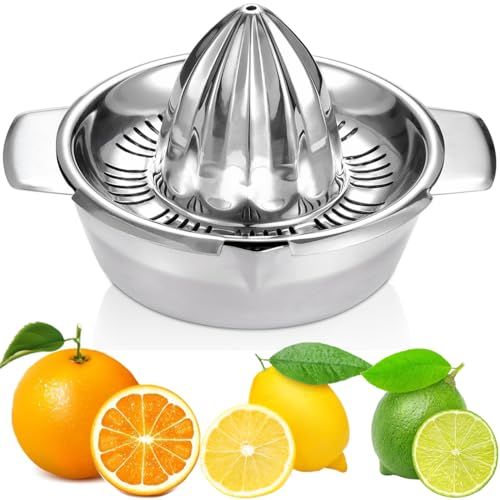
- Citrus juicer (reamer-style) – A handheld reamer works best for squeezing fresh orange juice.
- Microplane – For zesting the orange without digging into the bitter white pith.
- Small skillet – For toasting optional fennel seeds. It's quick and adds great depth of flavor.
- Mixing bowl – One large bowl does it all—whisk the orange mixture first, then toss in the squash. Fewer dishes, same delicious outcome (and a smug sense of efficiency).
- Tongs or spatula – For flipping the squash halfway through.
For Oven Baking:
- Conventional oven – Your go-to for roasting kabocha if you're not on Team Air Fryer (yet).
- Baking sheet and parchment paper – Parchment keeps cleanup easy and prevents sticking. A silicone baking mat or foil work too, but parchment keeps things prettier.
For Air Frying:
- Air fryer – Any model works, though larger-capacity ones mean fewer batches and more time to congratulate yourself on cooking vegetables.
How to Roast Kabocha Squash
The photos below walk through the air fryer method, but oven instructions are included for the traditionalists among us.
Top Tip
Kabocha squash can be a bit…stubborn. To make cutting easier (and save your cutting board from trauma), microwave the whole squash for 2–5 minutes to soften the rind slightly. Then slice away—no wrestling match required.
And yes, this is about the fifth time I've mentioned it, but my Kabocha Squash How-To Guide really does walk you through this part step-by-step. It's worth a peek—your fingers will thank you.

Step #1: Prep the Squash
Scoop out the seeds and stringy bits and cut into 1-inch wedges (my Kabocha Squash Guide shows the entire process). Decide whether the skin stays or goes—it's edible, so do what makes you happy.

Step #2: Toast the Fennel Seeds (Optional)
Toast in a dry skillet over medium heat for about 30 seconds, shaking often until fragrant. Keep a good eye on them—they go from toasty to tragic fast. Pour into a large mixing bowl.

Step #3: Make the Orange Seasoning Mixture
In the same bowl (because fewer dishes = happier cook), whisk together olive oil, orange zest, orange juice, salt, pepper, pumpkin pie spice, and garlic powder (if not using garlic oil).

Step #4: Coat the Squash
Add wedges and toss until evenly coated and glossy.

Step #5: Roast to Perfection
Oven Method:
Preheat oven to 400°F (200°C). Line a baking sheet with parchment paper or silicone mat, then spread the squash in a single layer. Bake 20–25 minutes, flipping halfway, until tender and golden. Your kitchen will smell amazing—fair warning to anyone nearby.
Air Fryer Method:
Preheat to 400°F (200°C). Arrange squash in a single layer (you may need to work in batches). Air fry for 10–12 minutes, flipping halfway through, until the edges are golden and the centers are tender.

Step #6: Serve it Up
Once the squash is golden and tender, pull it out and admire your work before transferring to a serving platter.
Serving Suggestions
This roasted kabocha squash plays nicely with just about everything. It's a low-maintenance side that makes any meal feel a little more intentional—fancy enough for company, but casual enough for a weeknight.
Try serving it alongside:
- Buttermilk marinated chicken drumsticks for an everyday dinner.
- Maple Dijon glazed ham or stuffed pork chops for something more festive.
- Thanksgiving Turkey if you're going full feast mode.
A sprinkle of chopped nuts or a drizzle of maple syrup at the table never hurts either.
Storage and Make-Ahead Tips
- Best served fresh – Roasted kabocha is best right after cooking—the caramelized edges don't stay crisp for long.
- Leftovers – Store in an airtight container in the fridge up to 4 days. Reheat in the oven or air fryer until warm and slightly crisp again. Microwave works in a pinch, but it softens the texture (read: less magic).
- Make ahead – Cut the squash and mix the orange seasoning a day ahead. Keep them separate in airtight containers until ready to cook—if you combine early, the liquid will slide off and take the flavor with it.

Frequently Asked Questions
Roast kabocha squash at 400°F (200°C) for 20–25 minutes, flipping halfway through, until the edges are golden and the centers are fork-tender.
Air fry kabocha squash at 400°F (200°C) for 10–12 minutes, flipping halfway through.
Nope! The skin softens beautifully when roasted and is totally edible. You can peel it after cooking if you prefer—it tends to slide right off. The skin doesn't taste like much, but it adds a little texture and keeps the squash from falling apart.
Related Recipes



Roasted Kabocha Squash (Oven or Air Fryer)
- Total Time: 40 minutes
- Yield: 8 servings 1x
- Diet: Vegan
Description
This roasted kabocha squash is baked (or air fried) to tender, golden perfection with a hint of orange and warm spice. Naturally sweet and full of cozy fall flavor, it makes an easy vegan, low carb, Paleo, Whole30, and gluten-free side dish for weeknights or holiday dinners alike.
Ingredients
- 2 pounds green kabocha squash (Japanese pumpkin)
- ½ teaspoon fennel seeds (optional, for extra texture and depth)
- 2 tablespoons extra virgin olive oil or garlic-infused olive oil
- 1 teaspoon orange zest and 2 tablespoons orange juice, freshly squeezed - from one medium navel orange
- Heaping ½ teaspoon fine sea salt
- ¼ teaspoon ground black pepper
- ¼ teaspoon pumpkin pie spice (homemade or store-bought)
- ⅛ teaspoon garlic powder (omit if using garlic oil)
- Pure maple syrup (or low carb equivalent), for drizzling (optional, omit for Whole30)
Instructions
Oven Instructions
- Preheat: Set oven to 400°F (200°C) and line a baking sheet with parchment paper or silicone baking mat.
- Prep squash: Cut the kabocha squash into 1-inch wedges. (See my Kabocha Squash How-To Guide for a step-by-step video tutorial). You can leave the skin on or remove it before or after roasting, if you prefer (see note).
- Toast fennel seeds (optional): Add fennel seeds to a small dry skillet over medium heat and toast for about 30 seconds, shaking often, until fragrant, watching carefully to prevent burning. Pour seeds into a large mixing bowl.
- Make seasoning mixture: In the same large bowl (because we're not here to make more dishes), whisk together olive oil, orange zest, orange juice, salt, pepper, pumpkin pie spice, and garlic powder (if using).
- Coat: Add the squash wedges to a large bowl and toss with the orange mixture until evenly coated.
- Bake: Spread the squash in a single layer on the prepared baking sheet. Pour any remaining orange mixture over the slices. Bake for 20–25 minutes, flipping halfway through, until tender and caramelized.
- Serve: Transfer to a serving dish, drizzle with maple syrup if needed, and enjoy warm as a weeknight or holiday side.
Air Fryer Instructions
- Prep squash: Cut the kabocha squash into 1-inch wedges. (See my Kabocha Squash How-To Guide for a step-by-step video tutorial). You can leave the skin on or remove it before or after roasting, if you prefer (see note).
- Toast fennel seeds (optional): Add fennel seeds to a small dry skillet over medium heat and toast for about 30 seconds, shaking often, until fragrant. Watch closely—they go from toasty to tragic in seconds. Remove from heat. Pour seeds into a large mixing bowl.
- Make seasoning mixture: In the same large bowl (because fewer dishes = happier you), whisk together olive oil, orange zest, orange juice, salt, pepper, pumpkin pie spice, and garlic powder (if using).
- Coat: Add the squash wedges to the bowl and toss with the orange mixture until evenly coated.
- Preheat and arrange: Preheat the air fryer to 400°F (200°C). Arrange the squash in a single layer on the air fryer trays or basket (cook in batches if needed). Pour or baste any remaining orange mixture onto the wedges.
- Air fry: Cook for 10–12 minutes, flipping halfway through, until the edges are golden and the squash is fork-tender.
- Serve: Transfer to a serving bowl or platter, drizzle with maple syrup if desired, and serve warm.


Notes
- Squash Skin: The skin is completely edible and adds a bit of texture, fiber, and color to the dish. If you prefer it peeled, it's much easier to remove after roasting—it practically slides off. I usually leave it on and let diners peel it off themselves if they're feeling picky.
- Air Fryer Tip: Depending on the size of your air fryer, you may need to cook the squash in batches. Keep finished batches warm in a low oven if needed. Be careful not to let the squash overcook as it becomes dry in a hurry in the air fryer.
- Serving Suggestions: Serve warm alongside Thanksgiving Turkey, Buttermilk Marinated Chicken Drumsticks, Maple Dijon Glazed Ham, or Stuffed Pork Chops for a fall-inspired meal.
- Storage: Store leftovers in an airtight container in the refrigerator for up to 4 days. Reheat in the oven or air fryer until warmed through and slightly crisp.
- Is this recipe low FODMAP? Kabocha squash was previously considered FODMAP-free but has since been retested by Monash University and found to contain fructans. A low FODMAP serving is up to ⅓ cup (75 g), so this recipe no longer fits within current low FODMAP guidelines.
- Cook time reflects the oven method; the air fryer version takes 10–12 minutes to cook after preheating.
- Prep Time: 15 minutes
- Cook Time: 25 minutes
- Category: Side Dish / Holiday
- Method: Oven / Air Fryer
- Cuisine: American
Originally published as part of my Low FODMAP Thanksgiving Recipes roundup; updated for broader dietary use and easier preparation.
Disclaimer: This recipe is for informational purposes only and is not intended as medical or dietary advice. The author is not a medical professional. Nutrition info is an estimate and can vary depending on ingredients and preparation. We follow current guidelines for special diets like low FODMAP, Keto, and Paleo at the time of initial publication, but individual tolerance varies and research is always evolving. It’s up to each reader to check ingredient labels, stay informed with the latest research, and consult their doctor to make informed choices based on their individual needs. Storage times are general recommendations—always follow safe food handling practices. See our Terms of Use for more details.

Tried it? Share a star rating and a few details about your experience—between now and December 31, 2026, I'll personally donate $5 to cancer research! Learn More